17th School · Day 9 | Leading Beyond the Horizon
17th School · Day 9 | November 3, Ohrid
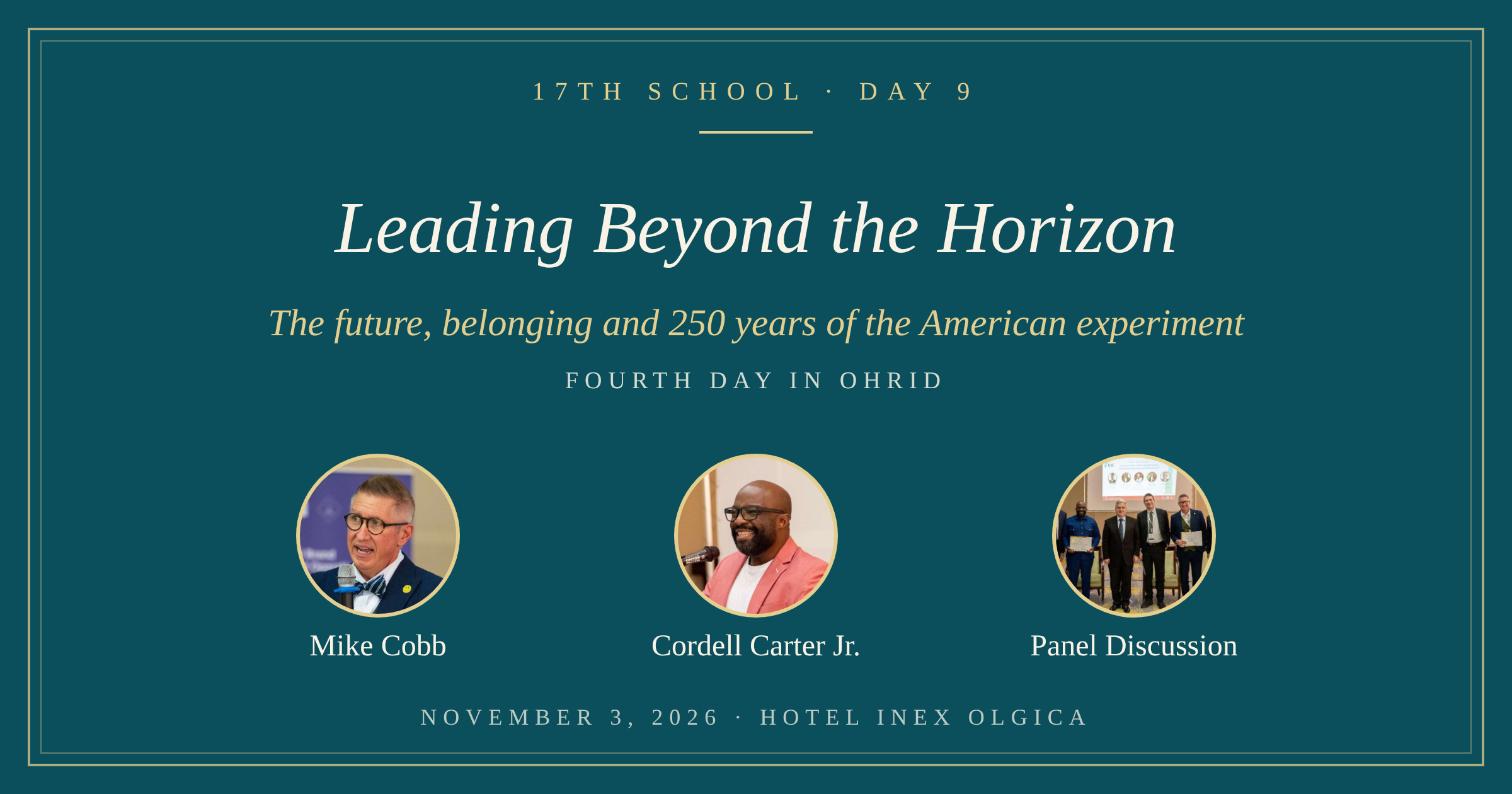
What might the world ask of its leaders by 2029? And what can 250 years of American history teach us about how societies respond to change? On the fourth day of the in-person program in Ohrid, participants explored both questions through sessions on strategic foresight, belonging and democratic leadership.
Looking beyond the horizon
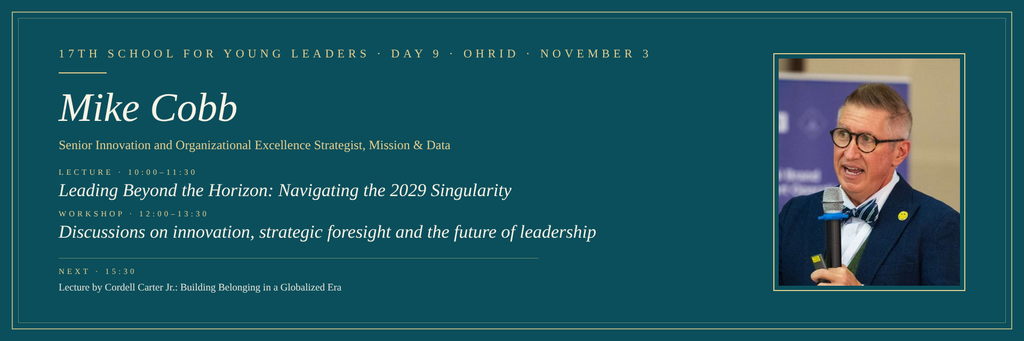
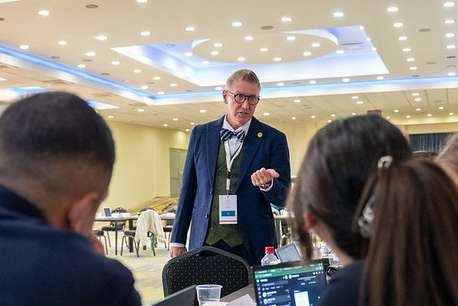
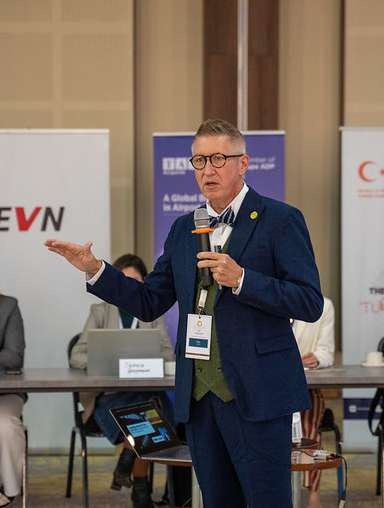
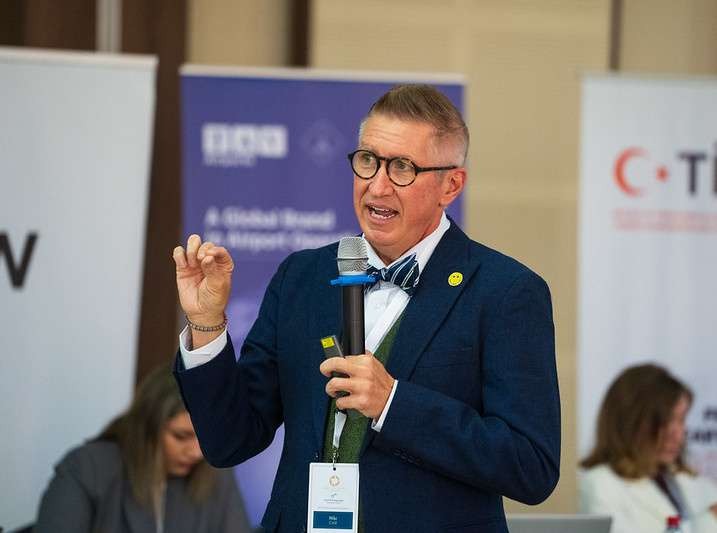
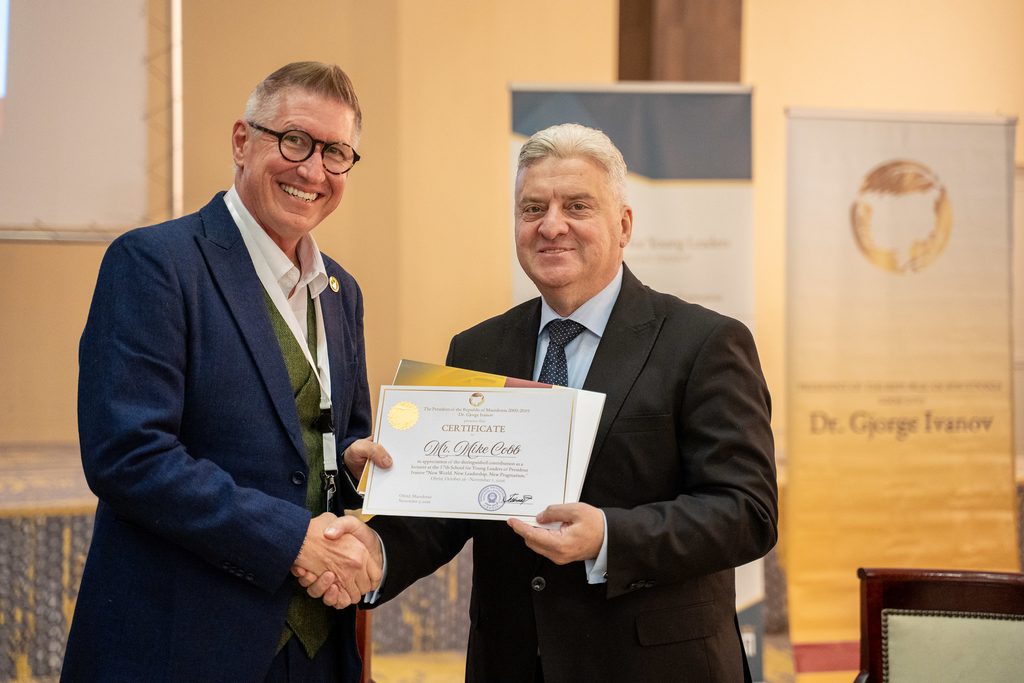
Mike Cobb, Senior Innovation and Organizational Excellence Strategist at Mission & Data, opened the morning with “Leading Beyond the Horizon: Navigating the 2029 Singularity.” Drawing on more than 35 years of experience in educational and organisational leadership, he asked participants to consider how emerging trends could change the way we learn, work and lead sooner than we expect.
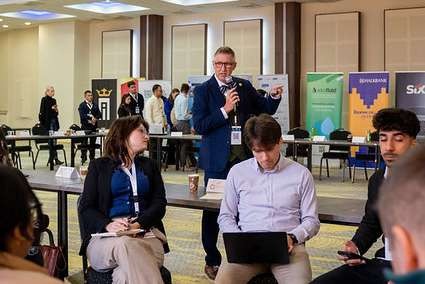
In the workshop that followed, participants explored how strategic foresight can help leaders prepare for several possible futures. The discussion brought that idea into practice by asking which assumptions about education and leadership are worth revisiting today and what organisations can do now to prepare for change.
Building belonging in a globalised era
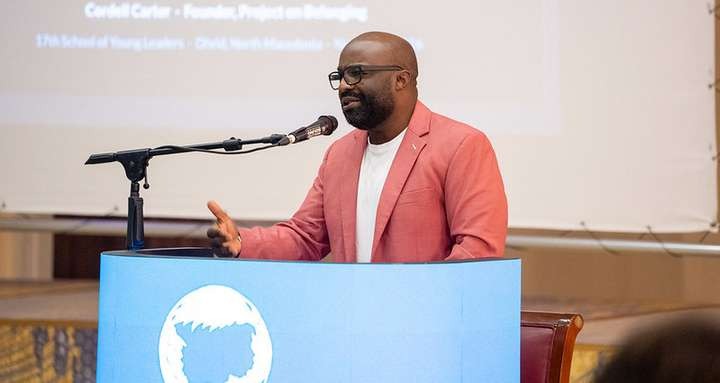
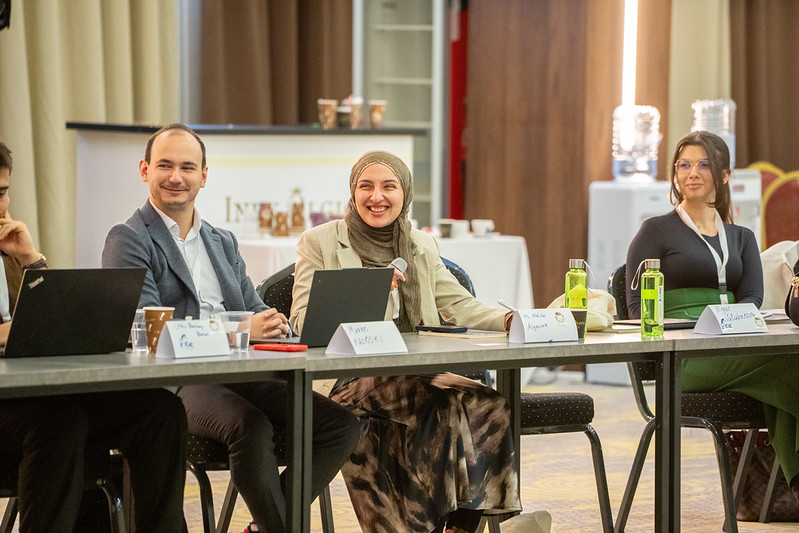
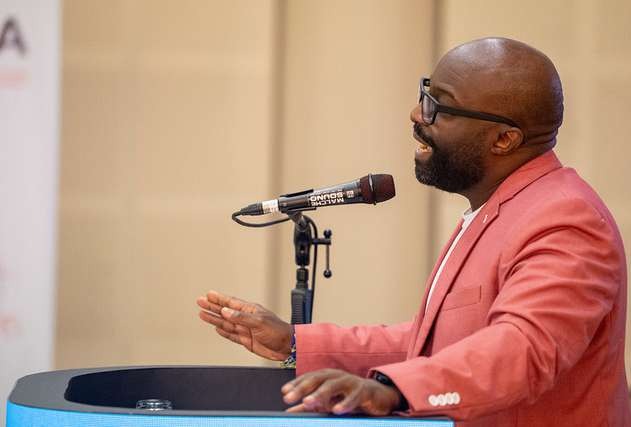
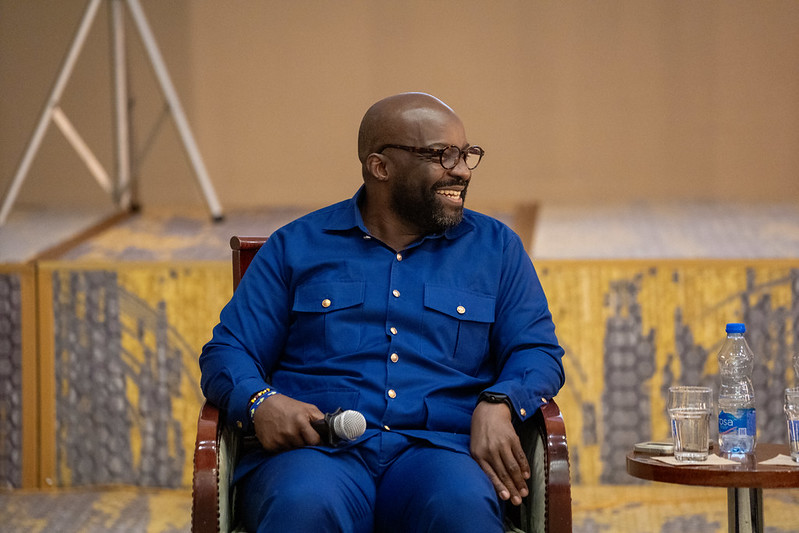
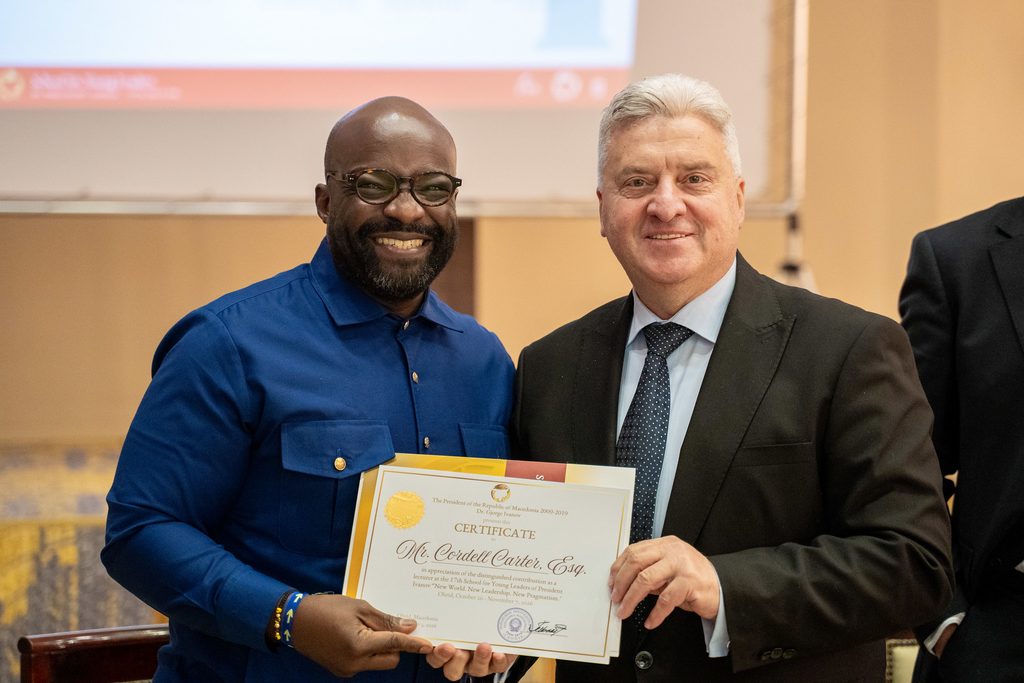
In the afternoon, Cordell Carter Jr., Esq., CEO and Founder of Project on Belonging, brought a human dimension to the conversation. In “New World, New Leadership, New Pragmatism: Building Belonging in a Globalized Era,” he explored what it takes to build trust and work together across borders, cultures and backgrounds.
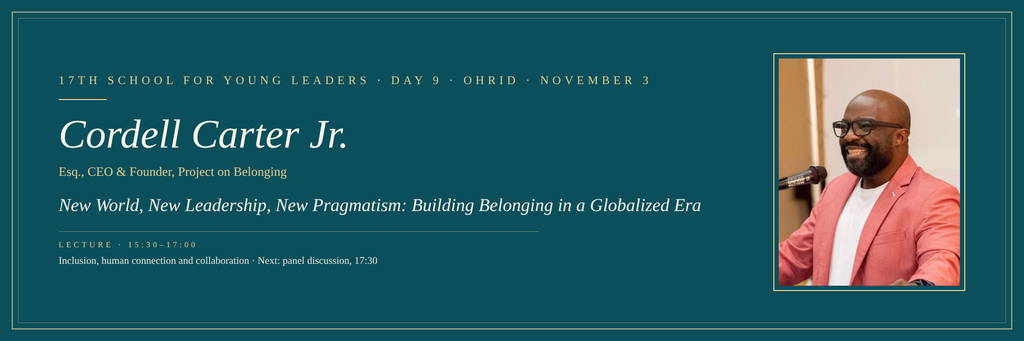
His session invited participants to think about belonging in practical terms. Who gets heard when decisions are made? Whose experience might change how a group understands a problem? Leaders can shape the answers by creating spaces where people with different perspectives can contribute to the work and influence its outcomes.

250 years of the American experiment
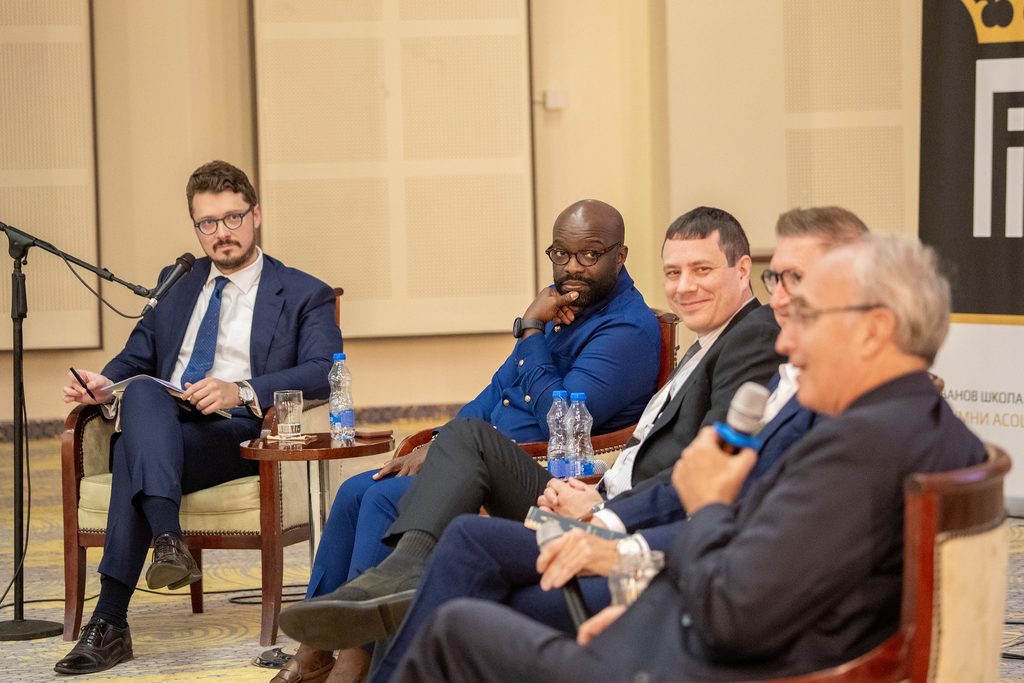
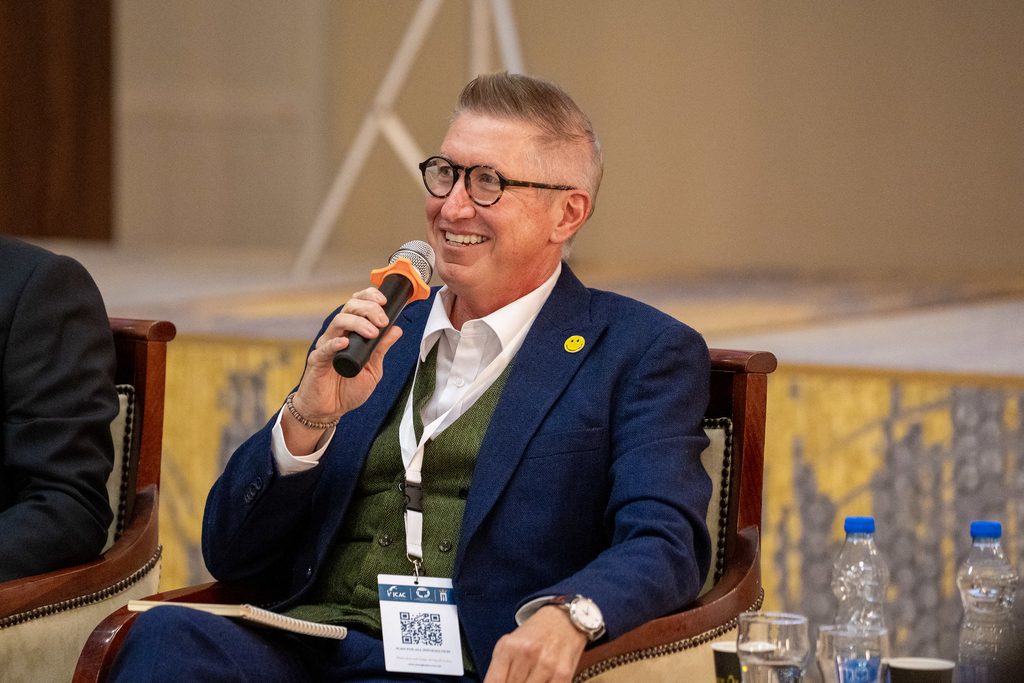
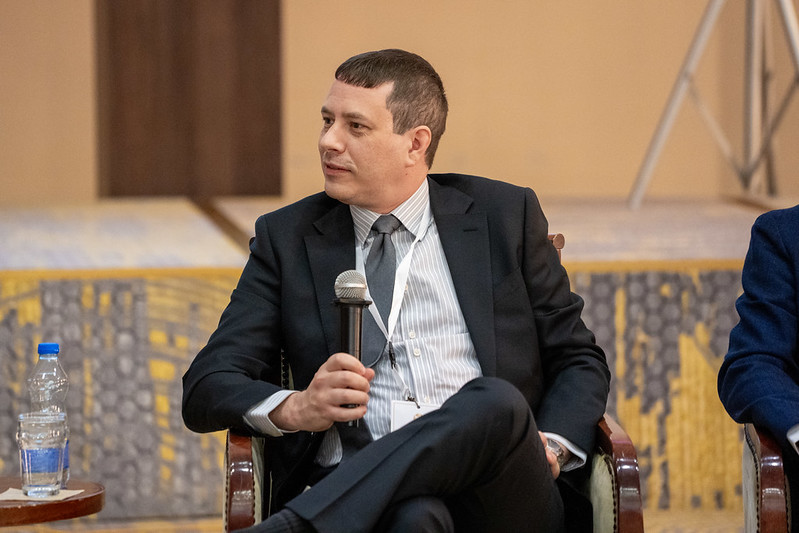
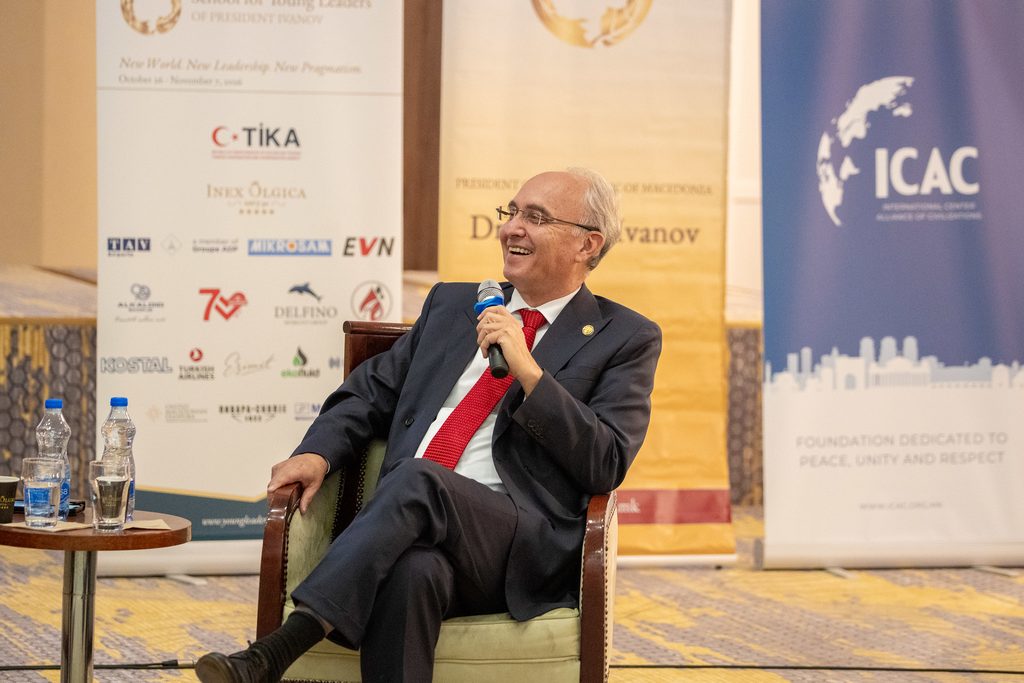
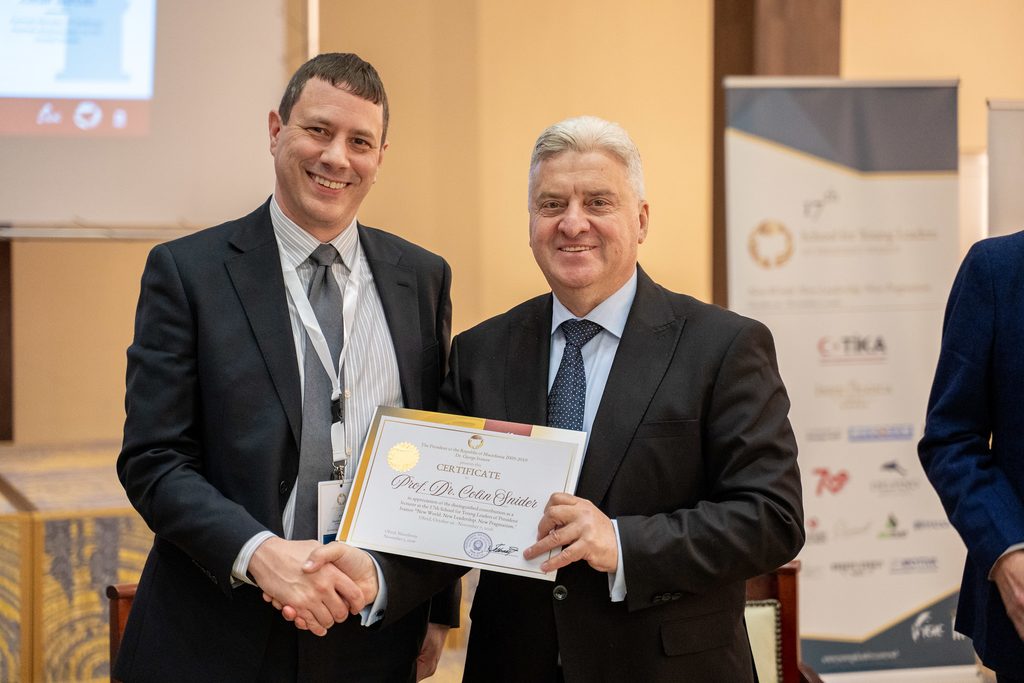
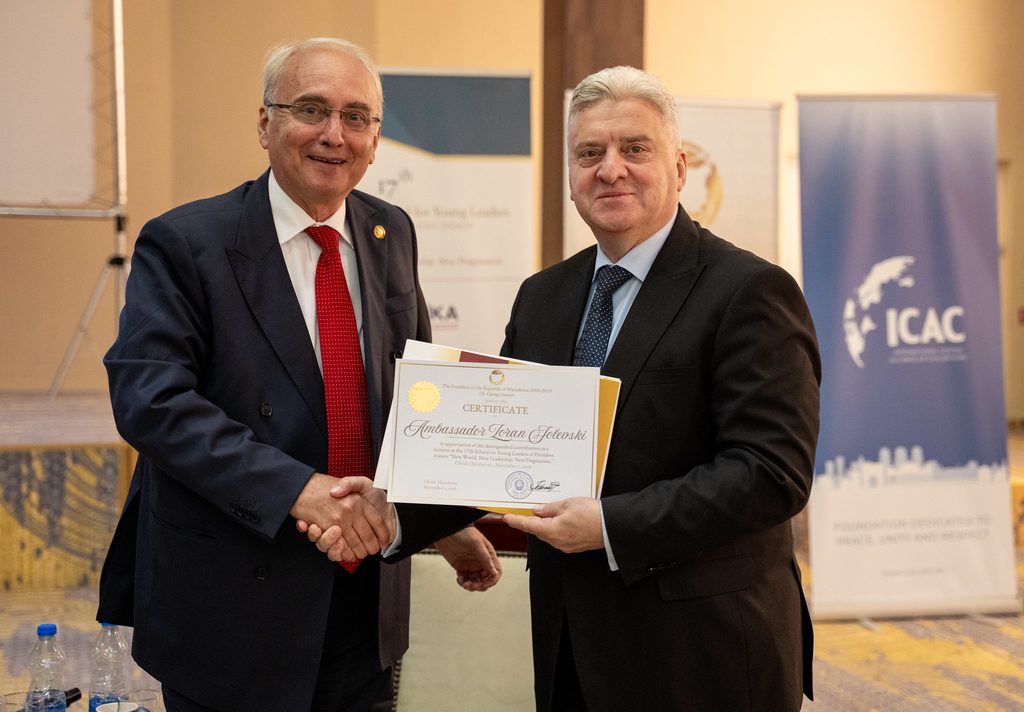
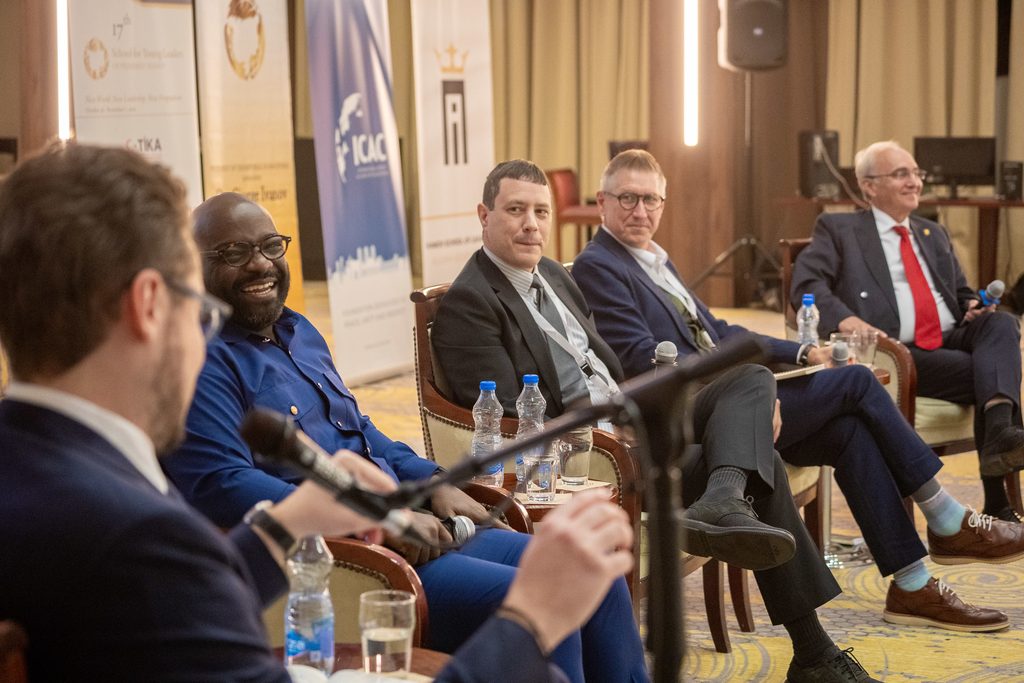
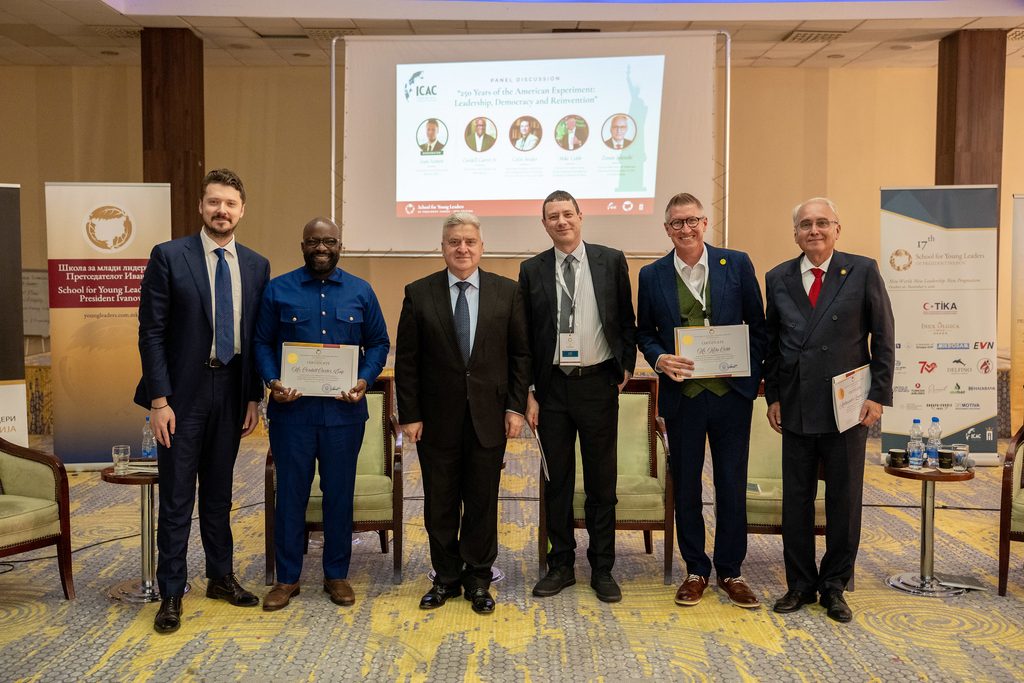
Cobb and Carter then joined Colin Snider, Professor of History at the University of Texas at Tyler, and Zoran Jolevski, former Minister of Defense and Ambassador to the United States, for “250 Years of the American Experiment: Leadership, Democracy and Reinvention.” Ivan Ivanov, Chairman of the Executive Board of ICAC, moderated the discussion.
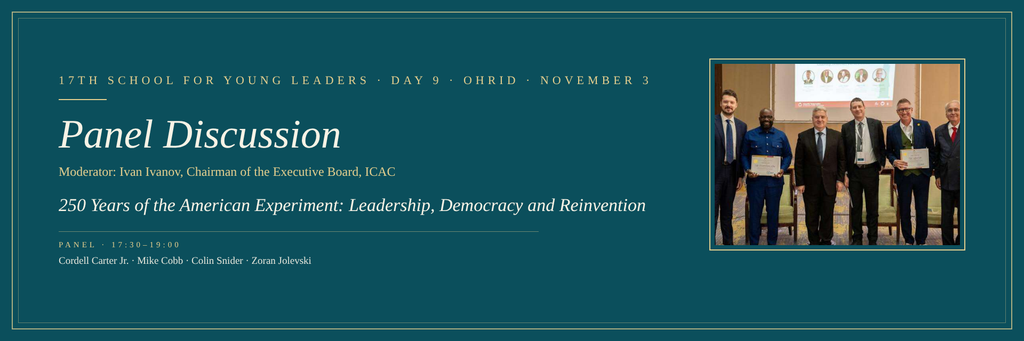
The panel looked at how democratic institutions respond when society’s expectations and needs change. Drawing on American history, the speakers considered the responsibilities leaders carry when institutions face pressure to adapt and what past choices can teach us about the decisions ahead.
Key takeaways from Day 9
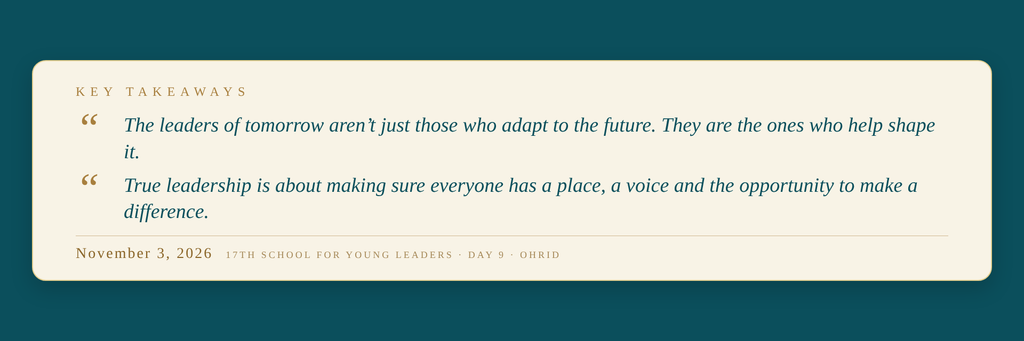
- Prepare for more than one possible future. Questioning today’s assumptions gives leaders room to act before change forces a decision.
- Make belonging visible in how decisions are made. Invite people with different experiences to contribute early enough to shape the outcome.
- Use history to inform institutional change. Past choices can help leaders judge which principles to preserve and which practices to rethink.